
|
|
||||||||||||||||||


|
 |
|
|
|
|
|
|
|||
|
|
Anthrax : The Dominican Republic strengthens health surveillance at the border 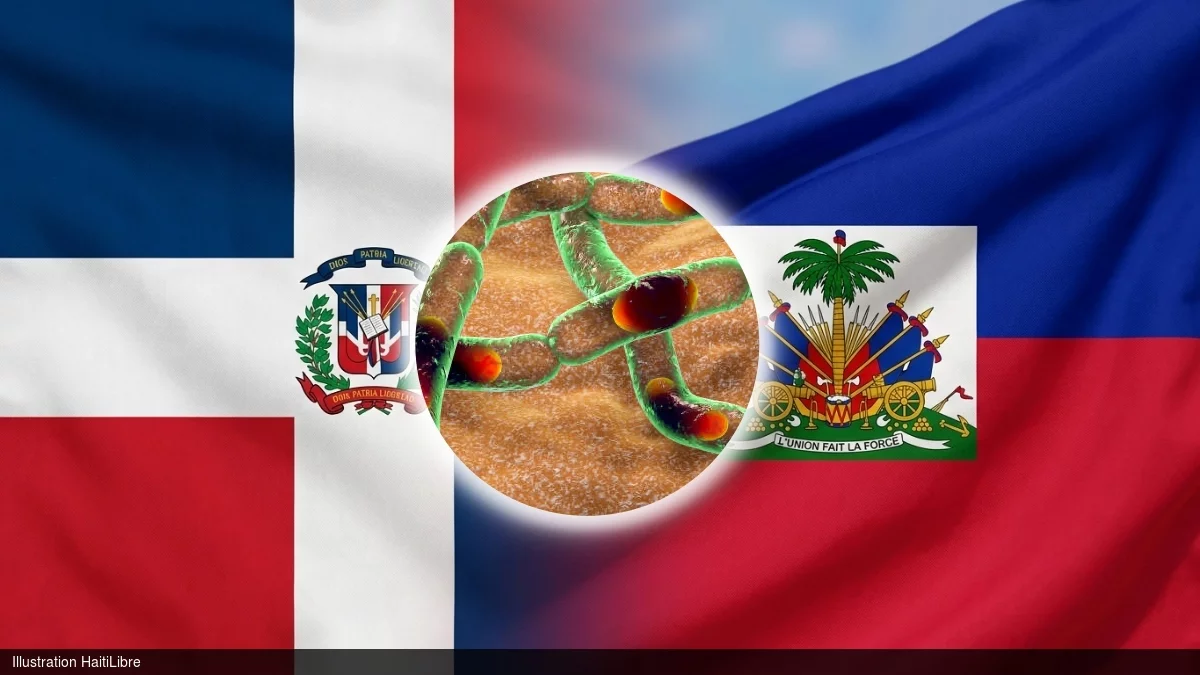
The Dominican Republic has activated its health and veterinary surveillance protocols following the detection of 13 suspected cases of anthrax in Haiti, while also strengthening border controls with Haiti. The alert was raised when Haitian health authorities received a report of suspected anthrax cases in Baliverne, a commune in the 5th communal section of Dame-Marie, in the Grand'Anse department. https://www.icihaiti.com/en/news-48370-grand-anse-anthrax-cases-2-human-deaths-and-20-animal-deaths.html The investigation by the Haitian Ministry of Public Health identified, in addition to the human cases, the deaths of 20 animals in the region. Among the 13 suspected cases, two human deaths were recorded. However, health authorities in both countries clarified that there is still no confirmation that anthrax is the direct cause. "The Dominican Republic has not recorded any cases of anthrax and there is no health emergency," said Dominican Minister of Public Health Víctor Atallah in a statement. He emphasized that increased surveillance was a preventative measure and that health services were prepared to quickly identify any suspected cases. Anthrax is caused by the bacterium Bacillus anthracis, which primarily affects herbivorous animals : cattle, sheep, and goats. It can be transmitted to humans through direct contact with infected animals or contaminated animal products. The disease is not transmitted from person to person; therefore, the risk of transmission through human contact is low, the Dominican Ministry of Public Health indicated. Dominican authorities have focused their containment measures on the unregulated movement of animals and animal products across the 391-kilometer-long shared border. Dominican authorities urged the public to stay informed through official sources and clarified that the measures implemented are part of routine monitoring and preparedness mechanisms, not an emergency response. S/ iciHaiti
|








|
|
Why IciHaiti ? |
Contact us |
Français
Copyright © 2010 - 2026 IciHaiti.com |