
|
|
||||||||||||||||||


|
 |
|
|
|
|
|
|
|||||
|
|
Leprosy continues to affect some communities in Haiti
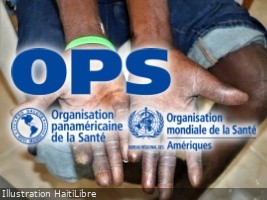
Although often perceived as a disease of the past, leprosy continues to affect some communities in Haiti. In March 2026, several cases were confirmed in the Artibonite and Southeast departments, following community alerts that led to investigations by health authorities. In coordination with the Ministry of Public Health (MSPP), the Pan American Health Organization/World Health Organization (PAHO/WHO) is supporting the national response through epidemiological surveillance, patient care, technical assistance, and strengthening community engagement. In Artibonite, the historical epicenter of the disease in Haiti, reports relayed by community members and videos circulating on social media led to investigations that confirmed several cases in Saint-Marc and Gonaïves. In the Southeast, two cases were also confirmed in the commune of Marigot after alerts from community and religious leaders. These detections serve as a reminder that leprosy transmission can persist silently, particularly in areas where access to specialized care remains limited. Leprosy is a chronic infectious disease that can lead to permanent disabilities if not diagnosed and treated early. However, it is curable with a treatment recommended by the WHO and provided free of charge. "The identification of advanced forms of the disease, including in an adolescent, reminds us that leprosy is still circulating silently in some communities. Every detected case is an opportunity to break the chain of transmission and protect the most vulnerable," emphasized Dr. Cheick Bady Diallo, CDE Advisor at the PAHO/WHO Office in Haiti. To support the response, PAHO/WHO has provided medications to treat leprosy, suitable for both adults and children. These treatments allow for the management of the various forms of the disease and the care of already identified cases, while also anticipating potential new cases detected during active case finding. Recent experience in Haiti also highlights the essential role of communities in the early detection of cases. Community health workers, local organizations, religious leaders, and other community stakeholders contribute to identifying individuals with symptoms and encouraging them to seek care, while also helping to reduce the stigma still associated with the disease. See also : https://www.haitilibre.com/en/news-24991-haiti-health-50-new-cases-of-leprosy-in-the-country.html IH/ iciHaiti
|








|
|
Why IciHaiti ? |
Contact us |
Français
Copyright © 2010 - 2026 IciHaiti.com |